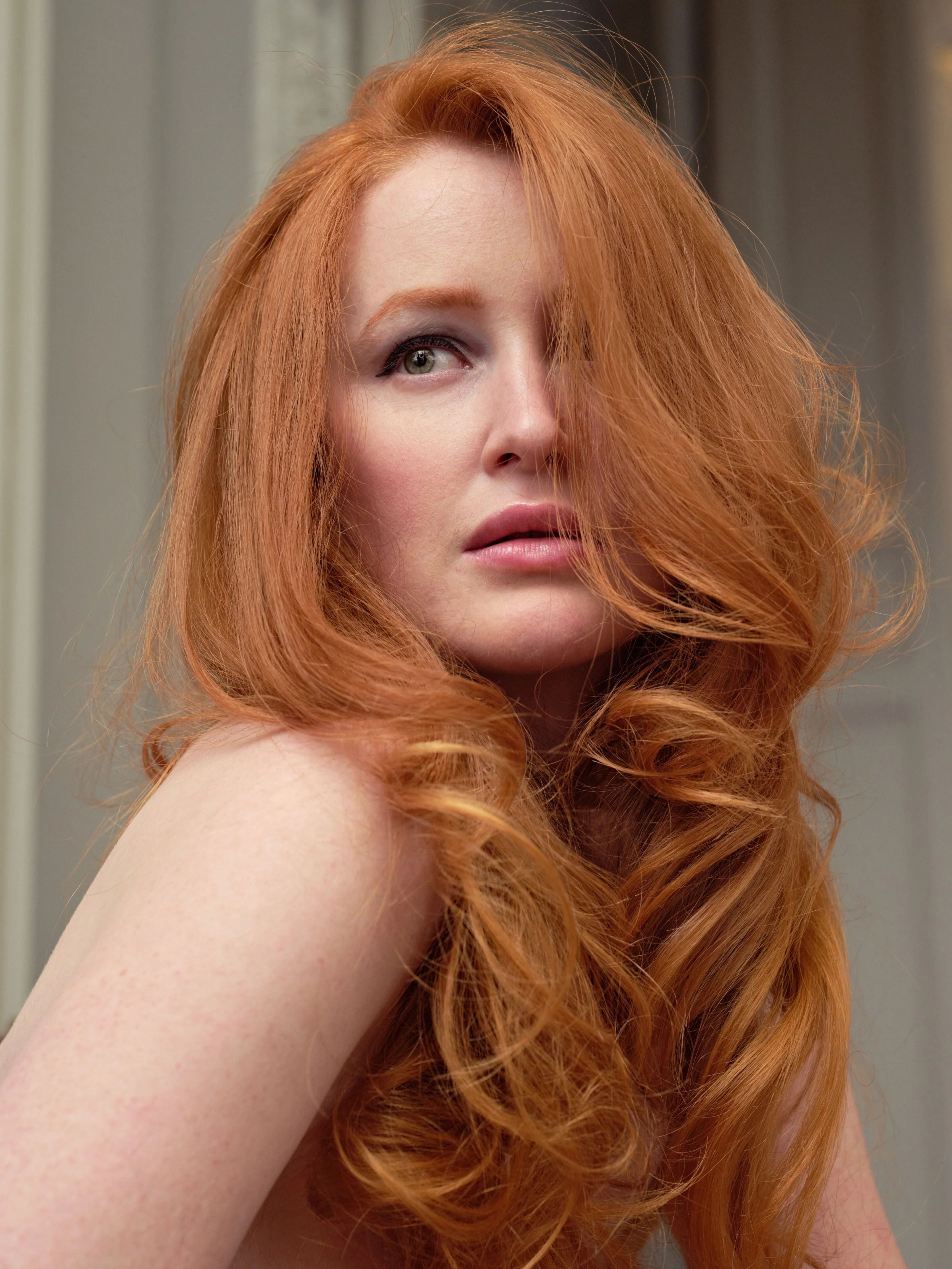
Oily scalp: effective tips for a healthy and light scalp
Does your hair get greasy quickly, become flat, and does your scalp lose that feeling of lightness? It can quickly become frustrating. However, a greasy scalp is not inevitable. Although it sometim...
Does your hair get greasy quickly, become flat, and does your scalp lose that feeling of lightness? It can quickly become frustrating. However, a greasy scalp is not inevitable. Although it sometimes complicates your hair care routine and affects your confidence, simple and effective steps exist to clean your scalp, limit excess sebum, and restore vitality and freshness to your hair. Here’s what you need to know to take back control and better manage this tendency.
Understanding the causes of a greasy scalp
The role of sebaceous glands and sebum overproduction
The sebaceous glands play a crucial role in protecting and moisturizing the skin and hair thanks to a hydrolipidic film made of sebum, a natural oily substance. The problem arises when these glands produce too much sebum, causing a quickly greasy scalp, a characteristic shiny effect, and sometimes a feeling of heaviness. This imbalance can be accompanied by discomfort and hypersseborrhea. Seborrheic dermatitis, a common disorder, is often linked to very seborrheic skin but does not result solely from excess sebum.
Aggravating factors: hormones, stress, and pollution
Factors such as hormonal variations — especially androgens like testosterone — during puberty, the menstrual cycle, pregnancy, or postpartum affect sebum production and promote a greasier scalp. Stress, which causes many imbalances, can also worsen this phenomenon. Finally, pollution deposits fine particles at the roots, damaging the hydrolipidic film and irritating the scalp. This promotes hyperseborrhea and makes the scalp more vulnerable to daily aggressions.
The influence of lifestyle and hygiene
Your lifestyle plays a key role. An unbalanced diet, poor in micronutrients, can worsen skin discomfort. Lack of sleep also disrupts skin balance. Additionally, improper care, such as washing too frequently with a harsh shampoo, does not cause glands to produce more sebum but can irritate the scalp, giving the impression that hair gets oily faster. Using suitable products is therefore essential to avoid damaging the scalp. Damaged or dry hair requires specific cleansing care to avoid worsening its condition.
How to recognize an oily scalp?
Visible signs: hair that gets oily quickly, loss of volume and shine even without styling products. These symptoms include:
- Oily hair the day after shampooing, flat and lacking volume
- Shiny appearance without styling products
- Flat hair, lacking volume and hold
Associated symptoms: itching, irritation, and color alteration, including:
- Itching caused by an irritated scalp loaded with sebum and residues
- Localized irritations and redness
- Hair loss that can temporarily worsen in case of inflammation (such as seborrheic dermatitis); however, an oily scalp is not a direct cause of baldness
- Color fading faster, often linked to frequent washing and sebum buildup, a challenge for colored hair
How to diagnose?
Observe your scalp after 24 to 48 hours without washing. If your hair is shiny, oily, with greasy dandruff or stuck at the roots, this is a clear sign. The frequency with which you need to wash your hair to avoid this effect is also a clue. However, be careful not to confuse this with a dry scalp or dry dandruff, which require different care. A consultation with a specialist can confirm the diagnosis and possibly rule out other causes of seborrheic dermatitis.
How to effectively treat an oily scalp?
Adopting a suitable washing routine
Avoid washing your hair too often with harsh products. Spacing out shampoos can help if your scalp is sensitive, but sebum production mainly depends on hormonal and genetic factors, not washing. Choose a gentle shampoo, sulfate-free, respectful of the scalp’s balance. A moderate routine limits irritation and maintains a healthy scalp. Proper use of your cleansing treatment ensures a balanced scalp while preserving the length and texture of your hair.
Purifying treatments, mask, and scrub
The purifying masks, especially those based on white clay, tea tree, nettle, or lavender essential oil, help absorb excess sebum. Rinsing with lukewarm or cool water provides a refreshing sensation without closing the cuticles or reducing sebum production. These treatments can be complemented by anti-seborrhea products, limiting greasy appearance. Use suitable products to fight oily hair without damaging the fiber or scalp.
It is recommended to regularly cleanse the scalp by applying a scrub shampoo that will remove impurities.
Practical daily tip
Between washes, a gentle dry shampoo is ideal for absorbing sebum and restoring volume. Choose a non-irritating product to avoid sensitizing the scalp. Avoid aggressions: strong chemicals, excessive heat from the hairdryer, too frequent or harsh brushing, which can irritate and push sebum back to the roots, causing a greasy effect. Protect your hair from the sun and favor light, non-occlusive treatments for a healthy and clean appearance.
Among premium treatments, the Parisian brand David Mallett offers a sulfate-free, vegan, and cruelty-free range developed in a French laboratory. Their minimalist approach combines effectiveness and scalp respect, ideal for an elegant and sustainable routine. These products are especially suitable for colored or curly hair, while respecting length and texture.
Discover the David Mallett Purifying Routine that will help you regain a healthy scalp.
Daily tips and lifestyle for a balanced scalp
A healthy lifestyle
A healthy scalp also depends on a balanced lifestyle: a varied diet rich in vitamins and unsaturated fats, adequate hydration, and restorative sleep. Managing stress is essential, as it influences sebum production and skin balance. Include moments of relaxation, meditation, or regular physical activity to calm your mind and better control excess sebum. Pay special attention to foods rich in essential fatty acids, such as omega-3s, which strengthen the skin barrier.
Small habits to adopt
- Avoid touching your hair too often: this transfers oils and impurities, spreading sebum and increasing the greasy effect
- Brush gently with a suitable brush to avoid irritating the scalp
- Change your pillowcases regularly to limit the buildup of sebum, sweat, and irritating product residues
- Clean your styling tools frequently, especially after sports or sweating
Recommended solutions and brands
| Brand / Solution | Key benefits | Type of care |
|---|---|---|
| David Mallett | Sulfate-free formulas, mostly vegan and cruelty-free, focused on purity and quality. High-end products with a minimalist aesthetic, suitable for long, curly, colored, or damaged hair. | Shampoos, gentle cleansing treatments, masks, purifying scrubs, and essential oils |
| Natural products based on vegetable oils including clay, tea tree, nettle, lavender, broccoli oil | Gentle purification and absorption of excess sebum; some tea tree formulas reduce dandruff. They are not proven treatments for hair loss. | Purifying masks, essential oils, anti-sebum gels |
| Gentle dry shampoo | Quickly absorbs excess sebum and extends freshness between washes. Use sparingly to avoid scalp irritation. | Dry shampoo spray |
This selection combines expert treatments and suitable products to restore healthy hair without overloading your routine. It also respects irritated or sensitive scalps.
Taking care of an oily scalp starts with understanding the cause of excess sebum production. Adopt a suitable care routine with effective and gentle products. By gradually applying these tips, freshness and lightness will become part of your daily life. This is a great reason to pamper your hair, whether it is normal, curly, colored, or dry, and to transform dull or flat hair into a true beauty asset.